Request a Commercial Consultation →





Is a Tankless Water Heater Worth the Cost in Wisconsin?
Call Today... Relax Tonight

4.8 Google Rated
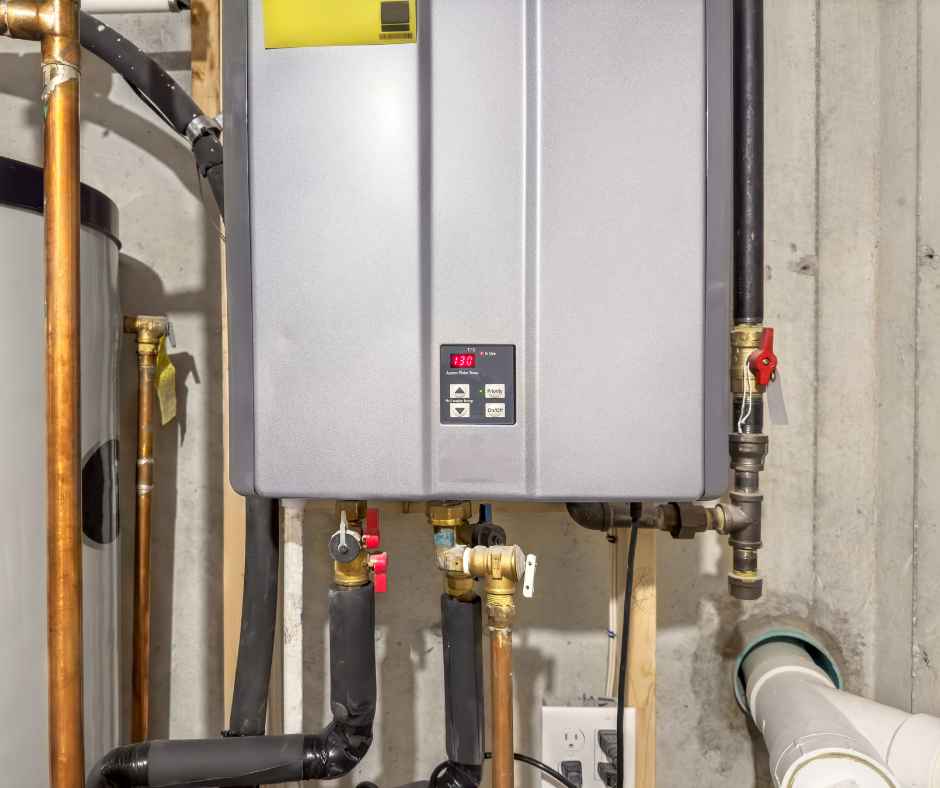
A tankless water heater can be worth the cost in Wisconsin when your household wants long-term efficiency, on-demand hot water, and a system that fits your usage pattern. The real value depends on installation cost, fuel type, simultaneous hot water demand, and whether local hard water will increase maintenance needs over time.
A tankless water heater sounds appealing for obvious reasons. It saves space, heats water only when you need it, and can deliver continuous hot water when properly sized. The part homeowners wrestle with is the upfront price. In Wisconsin, that question matters even more because colder incoming water and hard-water conditions can change how the system performs and how much maintenance it needs.
In this guide, you will learn when a tankless water heater is worth the investment in Wisconsin, what can make the return stronger or weaker, and how to decide whether it makes more sense than a traditional tank system.
Why Tankless Water Heaters Appeal to Homeowners
A tankless system heats water on demand instead of storing a full tank of hot water around the clock. That can reduce standby energy losses and make the system attractive for homeowners who want efficiency and a smaller footprint. DOE guidance also notes that tankless units can offer larger percentage savings in homes with lower daily hot water use, though savings still vary by household demand.
For many homeowners, the appeal usually comes down to:
- Endless hot water when sized correctly
- Less standby energy waste
- Space savings
- A longer-term equipment upgrade
Why Wisconsin Changes the Conversation
Tankless systems are sized around flow rate and temperature rise. In Wisconsin, colder incoming water means the unit has to work harder to raise the water to the temperature you want at the tap. That makes proper sizing more important than it would be in a warmer climate. DOE specifically bases tankless sizing on both the needed flow rate and the required temperature rise.
That means a unit that looks large enough on paper can still disappoint if:
- The household uses multiple hot water fixtures at once
- The incoming water is very cold in winter
- The system was chosen for price instead of real demand
When Tankless Usually Is Worth It
A tankless water heater is often worth the cost when the home is a good fit, and the installation is not overly complicated.
It tends to make the most sense when:
- The household wants long-term efficiency
- Space savings matter
- Hot water demand is moderate and predictable
- The system can be sized properly for peak use
- The homeowner plans to stay in the home long enough to benefit from the upgrade
The value usually increases when the installation is straightforward and the homeowner wants more than just the lowest upfront replacement cost.
When Tankless May Be Harder to Justify
Tankless is not automatically the best value in every Wisconsin home.
The financial case can get weaker when:
- The installation needs major venting, gas, or electrical changes
- The household has a very high simultaneous hot water demand
- The least expensive upfront replacement is the main goal
- The home has mineral-heavy water that may increase maintenance frequency
If the project cost climbs too high, the payback can stretch out enough that a standard tank replacement may feel more practical.
Why Household Demand Matters So Much
One of the biggest mistakes homeowners make is thinking tankless equals unlimited hot water in every situation. A tankless unit can provide continuous hot water, but only within the flow rate it is designed to handle. DOE points out that even large gas-fired units can be stretched when multiple hot water uses overlap, such as showering while the dishwasher is running.
That means the system is more likely to feel worth it when:
- The household staggers showers and appliance use
- The number of simultaneous hot water draws is reasonable
- The unit is matched to the busiest hour of the day
Gas vs. Electric Makes a Big Difference
Fuel type matters a lot for whole-home tankless performance. DOE states that gas-fired tankless water heaters usually provide higher flow rates than electric models. That can be especially important in Wisconsin, where colder incoming water increases the unit’s heating demand.
For many Wisconsin homes:
- Gas tankless is often the stronger whole-home option
- Electric tankless may work better for limited-demand or point-of-use situations
Hard Water Can Change the Real Cost
This is one of the most overlooked parts of the tankless decision.
Wisconsin water varies by location and source, and private wells can differ widely from one property to another. The Wisconsin DNR and UW-Stevens Point both point homeowners to local testing resources because well water quality can vary significantly across the state. If your water is hard, mineral buildup can increase maintenance needs and affect long-term performance.
That matters because a tankless system with recurring scale buildup may need:
- More frequent descaling
- More maintenance attention
- More protection through water treatment
So, in Wisconsin, the question is not just whether tankless water heaters save energy. It is also whether local water conditions make ownership more demanding.
What Homeowners Usually Like Most
When a tankless water heater is a good match, homeowners usually value:
- Consistent hot water for normal daily use
- Lower standby losses
- Smaller equipment footprint
- Long-term upgrade value
For some households, that combination is enough to justify the higher upfront price even before the full long-term savings are calculated.
What Usually Makes the Investment Pay Off
The strongest tankless value usually comes from a combination of factors:
- A properly sized system
- A straightforward installation
- Gas service that supports the unit well
- Moderate hot water usage
- A homeowner planning to stay in the home
- Local water conditions that are manageable or treated if needed
When several of those are true at once, the case for tankless becomes much stronger.
What Wisconsin Homeowners Should Compare Before Deciding
Before choosing a tankless system, it helps to compare:
- Full installation cost
- Fuel type
- Peak simultaneous hot water demand
- Local water hardness or well-water conditions
- Available space
- How long you plan to stay in the home
Those answers usually tell you much more than the product label alone.
The Real Question
For most Wisconsin homeowners, the question is whether tankless is worth it for your house, your water, and your usage pattern. In many homes, the answer is yes. In others, the numbers work better with a standard tank system or with a different upgrade plan.
Decide Based on How Your Home Actually Uses Hot Water
A tankless water heater can be a smart investment in Wisconsin, but only when the system matches the home. Colder incoming water, fuel type, installation scope, and local water conditions all affect whether the upgrade delivers the value homeowners expect.
Southport Plumbing, Heating and Cooling can help you compare tank and tankless options, evaluate your home’s hot water demand, and determine whether tankless is the right fit for your Wisconsin home. Contact us to schedule a water heater evaluation before you invest in the wrong system.