Request a Commercial Consultation →





Low Water Pressure in Waukesha Homes: Plumbing Causes to Consider
Call Today... Relax Tonight

4.8 Google Rated
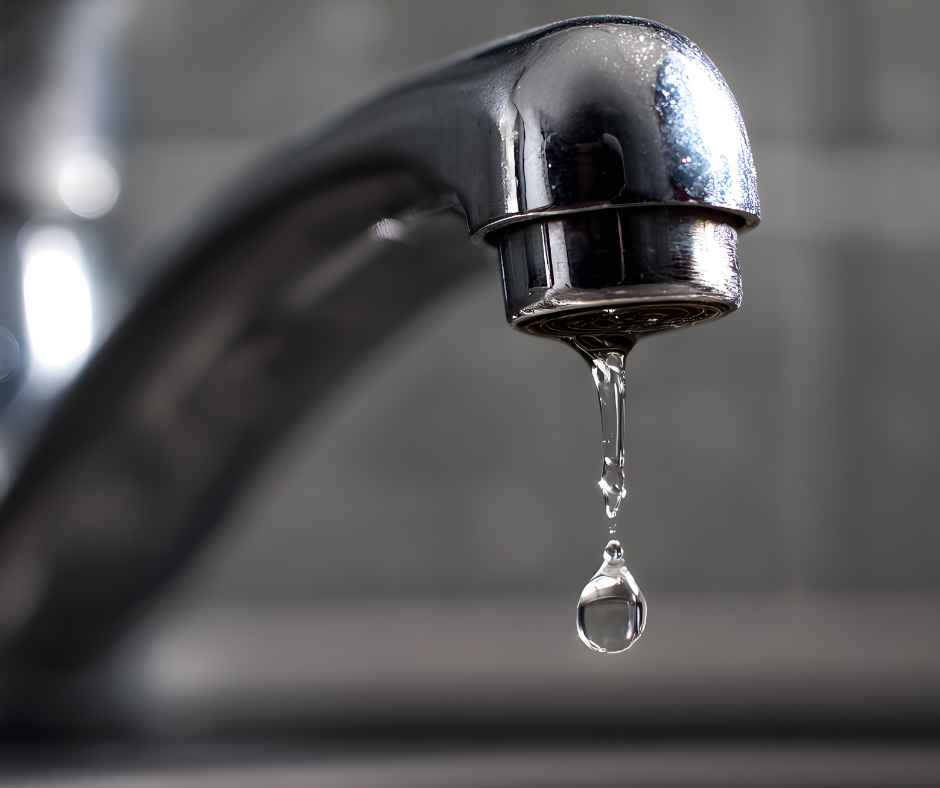
Low water pressure in Waukesha homes can be caused by clogged aerators, mineral buildup, aging pipes, hidden leaks, water heater sediment, pressure regulator problems, partially closed valves, or issues with the main water line. If low pressure affects multiple fixtures or worsens over time, homeowners should schedule a plumbing inspection to identify the source before it requires a larger repair.
Low water pressure can turn simple daily tasks into a hassle. Showers feel weak, sinks take longer to fill, washing machines run slowly, and using multiple fixtures at once can make the problem worse. For Waukesha homeowners, low water pressure may be caused by a small fixture issue or point to a larger plumbing concern.
In this guide, we will explain the most common plumbing causes of low water pressure in Waukesha homes, what warning signs to watch for, and when to call Southport Plumbing, Heating & Cooling for professional plumbing help.
Why Low Water Pressure Should Not Be Ignored
Low water pressure is more than an inconvenience. It can be an early sign that something in the plumbing system is restricted, leaking, corroded, or failing. Some causes are simple, such as a clogged faucet aerator. Others may involve hidden leaks, aging pipes, water heater issues, or main line problems.
Low water pressure may affect:
- Showers
- Bathroom faucets
- Kitchen sinks
- Toilets
- Washing machines
- Dishwashers
- Outdoor spigots
- Water heaters
- Whole-home plumbing performance
The first step is figuring out whether the issue is isolated or system-wide. One weak faucet is usually a local problem. Weak pressure throughout the home deserves a closer look.
Is It One Fixture or the Whole House?
Before assuming the worst, check where the pressure problem is happening. This helps narrow down the cause.
If only one fixture has low pressure, the issue may involve:
- Clogged aerator
- Blocked showerhead
- Faulty faucet cartridge
- Partially closed fixture valve
- Mineral buildup inside the fixture
- Kinked or damaged supply line
If several fixtures have low pressure, the issue may involve:
- Aging pipes
- Hidden leak
- Main shutoff valve problem
- Pressure regulator issue
- Water heater problem
- Main water line restriction
- Municipal supply issue
- Whole-home mineral buildup
If hot water pressure is weak but cold water pressure is normal, the water heater or hot water piping may be the issue.
Clogged Faucet Aerators and Showerheads
One of the simplest causes of low water pressure is a clogged aerator or showerhead. Aerators are small screens at the end of faucets. Over time, they can collect sediment, minerals, and debris.
Signs of a clogged aerator or showerhead include:
- Weak flow from one faucet
- Uneven spray pattern
- Water spraying sideways
- Strong pressure elsewhere in the home
- Visible white or crusty buildup
- Flow improves after cleaning the fixture
This is usually an isolated issue. If cleaning the aerator or showerhead does not help, the restriction may be deeper in the fixture, supply line, or plumbing system.
Mineral Buildup in Plumbing Lines
Waukesha homes may experience mineral buildup that affects fixtures, valves, water heaters, and pipes. Over time, minerals can collect inside small openings and restrict water flow.
Mineral buildup may cause:
- Weak shower pressure
- Slow faucet flow
- Clogged aerators
- Scale around faucets
- White buildup on showerheads
- Reduced appliance performance
- Water heater sediment
- Hot water pressure problems
Mineral buildup often develops slowly. Homeowners may not notice the change right away until the pressure is much weaker than it used to be.
Aging or Corroded Pipes
Older plumbing pipes can narrow from corrosion, rust, or mineral deposits. When the inside of a pipe narrows, less water can flow through it. This can reduce pressure at multiple fixtures.
Aging pipes may cause:
- Gradual pressure loss
- Rust-colored water
- Metallic taste
- Frequent leaks
- Water stains
- Reduced flow at several fixtures
- Pipe noise
- Repeated plumbing repairs
This is especially common in older homes with outdated piping materials or mixed plumbing from past repairs. If corrosion is widespread, a small repair may not solve the full problem.
Hidden Plumbing Leaks
A hidden leak can lower water pressure by allowing water to escape before it reaches fixtures. Leaks may happen behind walls, under floors, near the water heater, in the basement, or underground.
Possible signs of a hidden leak include:
- Sudden pressure drop
- Higher water bills
- Damp walls or ceilings
- Musty odors
- Mold or mildew growth
- Soft flooring
- Water stains
- Sound of running water when fixtures are off
- Water meter movement when no water is being used
- Wet areas in the yard
A sudden change in pressure should be taken seriously. If the drop happens quickly and affects multiple fixtures, call a plumber to check for leaks.
Partially Closed or Failing Shutoff Valves
Water flow can be restricted if a shutoff valve is not fully open. This may happen after plumbing work, water heater service, fixture replacement, or emergency shutoff.
Valves that may affect pressure include:
- Main water shutoff valve
- Water meter valve
- Water heater inlet valve
- Fixture shutoff valves
- Appliance supply valves
Older valves can also corrode, break internally, or fail to open fully. Do not force a stuck valve. It may snap or start leaking. A plumber can safely inspect and replace worn valves.
Pressure Regulator Problems
Some homes have a pressure regulator, also called a pressure-reducing valve, that controls incoming water pressure. If it fails, pressure may become too low, too high, or inconsistent.
Signs of pressure regulator trouble include:
- Whole-home low-pressure
- Pressure that fluctuates
- Strong pressure at some times and weak pressure at others
- Pipes making noise
- Fixtures behaving inconsistently
- Sudden pressure changes
- Appliances filling slowly
A pressure regulator issue usually affects the whole home, not just one faucet. A professional can test the home’s pressure and determine whether the regulator needs adjustment or replacement.
Water Heater Sediment or Hot Water Restrictions
If only the hot water pressure is low, the water heater may be the issue. Sediment can collect inside the tank, and mineral buildup can restrict valves or hot water lines.
Hot water pressure problems may be caused by:
- Sediment in the water heater
- Partially closed water heater valve
- Corroded hot water lines
- Scale buildup
- Faulty mixing valve
- Old plumbing connections
- Tankless water heater restriction
Watch for these signs:
- Hot water pressure is weaker than cold water pressure
- Hot water runs out quickly
- The water heater makes popping or rumbling sounds
- Water temperature fluctuates
- Hot water looks rusty or cloudy
- The water heater has not been maintained
Water heater issues can affect both comfort and plumbing performance. If the unit is older, noisy, leaking, or producing weak hot water, it should be inspected.
Main Water Line Issues
The main water line carries water from the municipal supply or private source into the home. If this line is damaged, leaking, restricted, or aging, pressure can drop throughout the house.
Main water line issues may cause:
- Low pressure at every fixture
- Sudden whole-home pressure loss
- Wet or soggy yard areas
- Water pooling near the foundation
- Higher water bills
- Discolored water
- Noisy plumbing
- Pressure changes during normal use
Because main lines are underground, the problem may not be visible right away. A professional inspection can help determine whether the issue is inside the home or between the home and the supply.
Municipal Supply or Neighborhood Pressure Changes
Sometimes the issue is not inside the home. Water pressure can change because of municipal water work, hydrant flushing, nearby construction, water main issues, or neighborhood demand.
Possible clues include:
- Neighbors have the same issue
- Pressure changed suddenly
- Water is discolored after local work
- Pressure improves later in the day
- The issue started after nearby construction
If the problem affects only your home, it is more likely a plumbing issue. If several homes are affected, the water supply may be involved. Either way, a plumber can help confirm whether your home’s plumbing is contributing to the problem.
Outdated Plumbing That Cannot Keep Up
Some homes were built for different water-use patterns than those of today’s households. Modern homes often run dishwashers, washing machines, showers, irrigation, and multiple fixtures at the same time.
Older or undersized plumbing may struggle when:
- Two showers run at once
- Laundry runs during shower time
- Outdoor watering affects indoor flow
- New fixtures increase demand
- A remodel adds bathrooms
- Large appliances run together
- The household has grown
If pressure drops only when multiple fixtures are in use, the issue may be pipe sizing, system design, or overall plumbing capacity.
What Homeowners Can Check First
There are a few safe checks homeowners can make before scheduling service.
Start with:
- Check whether one fixture or the whole home is affected
- Compare hot water and cold water pressure
- Clean faucet aerators
- Check showerheads for buildup
- Make sure visible shutoff valves are open
- Look under sinks for leaks
- Check around the water heater
- Look for wet spots in the basement
- Ask neighbors if they have pressure issues
- Note whether pressure changes by time of day
These details can help the plumber diagnose the issue faster.
When Low Water Pressure Needs a Professional Inspection
Low water pressure should be inspected when it affects multiple fixtures, appears suddenly, worsens over time, or accompanies other warning signs.
Call Southport Plumbing, Heating & Cooling if you notice:
- Low pressure throughout the home
- Weak hot water pressure
- Sudden pressure loss
- Discolored water
- Water stains or damp areas
- Higher water bills
- Noisy pipes
- Water heater problems
- Repeated fixture clogs
- Pressure drops when appliances run
- Wet spots in the yard
A plumbing inspection can help identify whether the issue is a fixture, valve, leak, water heater, main line, or piping problem.
Repair vs. Plumbing Upgrade
Some low-pressure problems can be solved with a simple repair. Others may require a larger plumbing update.
A repair may be enough if:
- One fixture is affected
- An aerator or showerhead is clogged
- A valve is partially closed
- A small leak is found early
- The water heater valve needs service
- A pressure regulator needs adjustment
A larger plumbing upgrade may be needed if:
- Pipes are corroded
- Leaks keep happening
- Pressure is low throughout the home
- Old piping restricts flow
- The main water line is damaged
- Hot water lines are deteriorating
- Plumbing no longer supports household demand
Southport Plumbing, Heating & Cooling can inspect the system and explain which option makes the most sense.
How to Prevent Low Water Pressure Problems
Not every pressure issue can be prevented, but regular maintenance helps reduce the risk.
Helpful habits include:
- Clean aerators and showerheads periodically
- Fix leaks quickly
- Watch water bills for sudden increases
- Schedule water heater maintenance
- Avoid ignoring rusty or cloudy water
- Do not force old shutoff valves
- Keep an eye on basement plumbing
- Replace failing fixture valves
- Ask about pressure testing if flow changes
- Schedule inspections in older homes
- Call early when pressure drops suddenly
The sooner the cause is found, the easier it is to prevent damage and restore normal flow.
Get Strong, Reliable Water Flow Back in Your Waukesha Home
Call Southport Plumbing, Heating & Cooling if your Waukesha home has low water pressure, slow faucets, poor shower flow, hot water pressure problems, signs of a hidden leak, water heater issues, or pressure drops across multiple fixtures. Low water pressure can be caused by something simple, but it can also point to aging pipes, leaks, valve problems, or main line restrictions.
You do not have to guess what is causing the problem. Contact Southport Plumbing, Heating & Cooling today to schedule plumbing service. Our team can diagnose the source of low water pressure and recommend the right repair or upgrade for your home.