Request a Commercial Consultation →





Protecting Your Basement Before Wisconsin’s Heavy Thunderstorm Season
Call Today... Relax Tonight

4.8 Google Rated
As we fully transition into summer across Southeast Wisconsin, warm air masses collide over the Great Lakes, bringing severe thunderstorm activity. From Milwaukee and Waukesha to Kenosha and Madison, local homeowners know that Midwestern storms are no joke. Heavy downpours can dump inches of rain in a matter of hours, saturating the soil and placing intense pressure on residential foundations.
When the ground cannot absorb any more water, that liquid has to go somewhere, and all too often, it seeks out the lowest point in your home: the basement.
A flooded basement is a costly nightmare that causes structural damage, destroys personal belongings, and breeds harmful mold and mildew. Protecting your below-grade spaces requires a proactive defense strategy. Taking steps now to safeguard your home will keep your basement bone-dry when the next severe thunderstorm rolls across Wisconsin.
The Hydrostatic Pressure Threat in Wisconsin Soils
To stop basement flooding, it helps to understand why it happens in the first place. Much of Southeast Wisconsin features dense clay-heavy soils. Clay holds onto water like a sponge rather than letting it drain away quickly.
When a heavy thunderstorm dumps rain over a short period, the clay soil around your foundation expands as it saturates. This creates an immense force known as hydrostatic pressure. As the weight of the waterlogged soil increases, it pushes relentlessly against your foundation walls and basement floor.
Water always takes the path of least resistance. Under extreme hydrostatic pressure, water finds its way into your home through:
- Hairline cracks in poured concrete or block foundation walls
- The cove joint (the seam where the basement floor meets the foundation wall)
- Floor cracks caused by natural settling
- Unsealed window wells and basement egress openings
Relying on luck during storm season is a high-stakes gamble. Protecting your property requires managing water both outside your foundation and inside your basement.
Upgrade and Inspect Your Primary Sump Pump
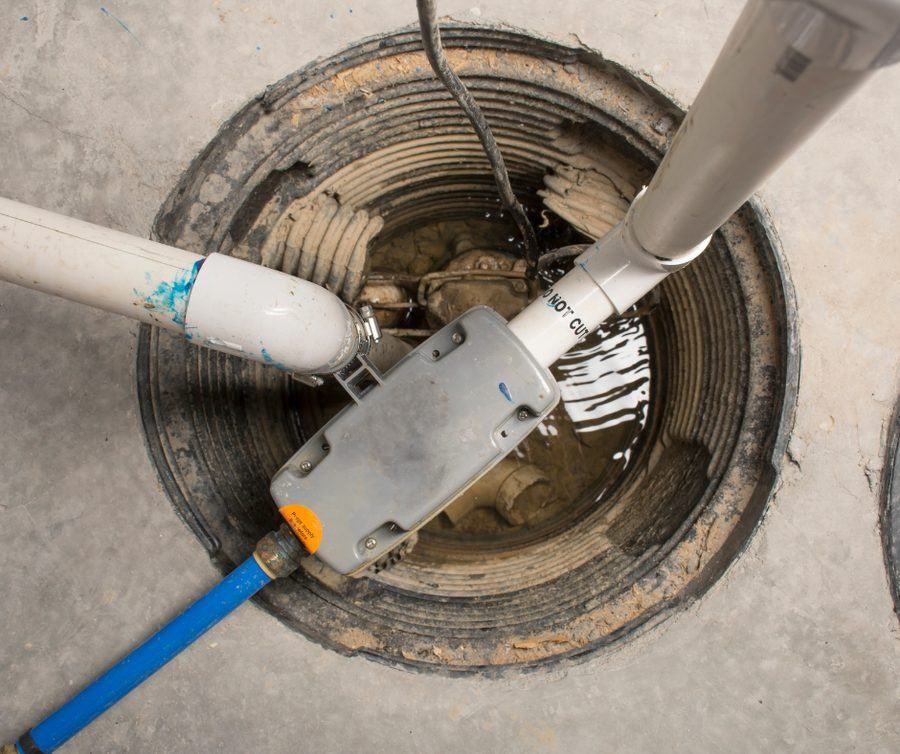
Your sump pump is the heart of your home’s flood defense system. Situated in a pit at the lowest point of your basement, its job is to collect groundwater channeled by your drain tile network and pump it safely away from your home before it can spill onto your floor.
During a severe Wisconsin thunderstorm, a sump pump may run continuously for hours at a time, moving hundreds of gallons of water every hour. If your pump is old, undersized, or poorly maintained, a severe storm will push it past its breaking point.
Essential Sump Pump Maintenance Steps
- Clear the Pit: Remove dirt, gravel, or debris that has accumulated at the bottom of the sump pit. Debris can jam the pump’s impeller or block the float switch.
- Test the Float Switch: Slowly pour a five-gallon bucket of water into the pit. The float switch should rise smoothly, activate the motor, quickly evacuate the water, and shut off once the pit empties.
- Check the Valve: Verify that your check valve, installed on the discharge pipe just above the pump, is working correctly. The check valve prevents water in the discharge pipe from flowing back into the pit after the pump turns off.
- Clean the Exterior Discharge Line: Walk outside and inspect where the discharge pipe exits your home. Ensure the pipe is clear of leaves, nests, or crushed sections. The water must discharge at least 10 to 20 feet away from your foundation wall, sloped downhill.
If your primary pump is more than 7 to 10 years old or makes grinding or unusual noises during operation, replace it before storm season begins.
Install a Battery Backup Sump Pump System
Wisconsin’s severe summer thunderstorms are notorious for bringing down power lines. High winds, lightning strikes, and fallen tree branches can easily knock out electricity across whole neighborhoods.
A power outage creates a dangerous scenario: the exact severe storm dropping inches of rain on your roof also cuts off power to your primary sump pump. Without electricity, a standard sump pump is completely useless, leaving your basement unprotected when groundwater levels are at their peak.
System Safeguard: A battery backup sump pump is an essential defense for any Wisconsin home with a basement. Installed alongside your primary pump, a battery backup system operates on a dedicated heavy-duty battery.
If the main electrical grid drops or your primary pump suffers a mechanical failure, the backup system automatically takes over, pumping out water for hours until power is restored. For ultimate peace of mind, modern smart backup systems will even send an alert directly to your smartphone the moment they activate or detect a drop in battery charge.
Exterior Drainage: Directing Water Away from the Foundation
The best way to keep water out of your basement is to prevent it from pooling around your foundation walls in the first place. Your home’s exterior drainage setup is its first line of defense.
Clear and Extend Gutter Downspouts
Your roof collects thousands of gallons of water during a single heavy downpour. If your gutters are clogged with spring seeds or debris, water will spill over the sides, falling straight down along your foundation.
- Clean your gutters thoroughly before the summer storm season hits.
- Attach downspout extensions to route rainwater at least 6 to 10 feet away from your home’s foundation. Avoid discharging downspouts directly onto sloped driveways that run back toward the home.
Evaluate Soil Grading Around the House
Over time, soil around a home naturally settles, often creating a reverse slope where ground angles inward toward the foundation.
- Walk around your home and inspect the soil pitch.
- The ground should slope downward away from your foundation at a rate of at least 6 inches of drop for the first 10 feet.
- Fill low spots near the foundation with dense clay-based soil rather than porous mulch or sand, topping it with a layer of topsoil to encourage water runoff.
Seal Foundation Cracks and Manage Basement Humidity
Concrete moves and settles over time, creating hairline fractures along basement walls and floor slabs. While a tiny hairline crack might not seem urgent, surging groundwater under hydrostatic pressure can force its way through even microscopic openings.
Inspect your bare basement walls and floors using a bright flashlight. If you spot active water stains, white powdery mineral deposits (efflorescence), or visible cracks, seal them right away. Hydraulic cement or specialized epoxy injection systems can fill and seal vertical foundation cracks from the inside, preventing water intrusion.
Controlling Summer Basement Humidity
In addition to liquid water leaks, high humidity is a major summer threat in Wisconsin basements. Warm, humid summer air entering a cool basement causes condensation to form on cold concrete walls and exposed water pipes.
Relative humidity levels above 60% create the ideal environment for mold and mildew growth. Installing a high-capacity, energy-efficient whole-home or basement dehumidifier keeps relative humidity safely below 50%, protecting your indoor air quality and preventing structural wood rot.
Protect Your Home and Preserve Your Peace of Mind
Taking a proactive approach to your home’s basement protection network is the most effective way to eliminate storm anxiety and prevent costly water damage repairs. While basic tasks like clearing debris out of your gutters and checking downspout extensions are easy weekend projects, installing battery backup sump pump systems, repairing failing main pumps, and addressing structural drainage failures requires commercial-grade tools and licensed plumbing expertise.
Hoping an aging sump pump makes it through another intense Wisconsin storm season is a risky gamble. Making the investment to test, upgrade, and secure your basement drainage system ensures your property stays dry, safe, and protected through every summer downpour.
Contact Southport Plumbing, Heating & Cooling today or schedule your professional sump pump inspection online!