Request a Commercial Consultation →





What Happens to Heat Pump Efficiency When Wisconsin Temperatures Drop?
Call Today... Relax Tonight

4.8 Google Rated
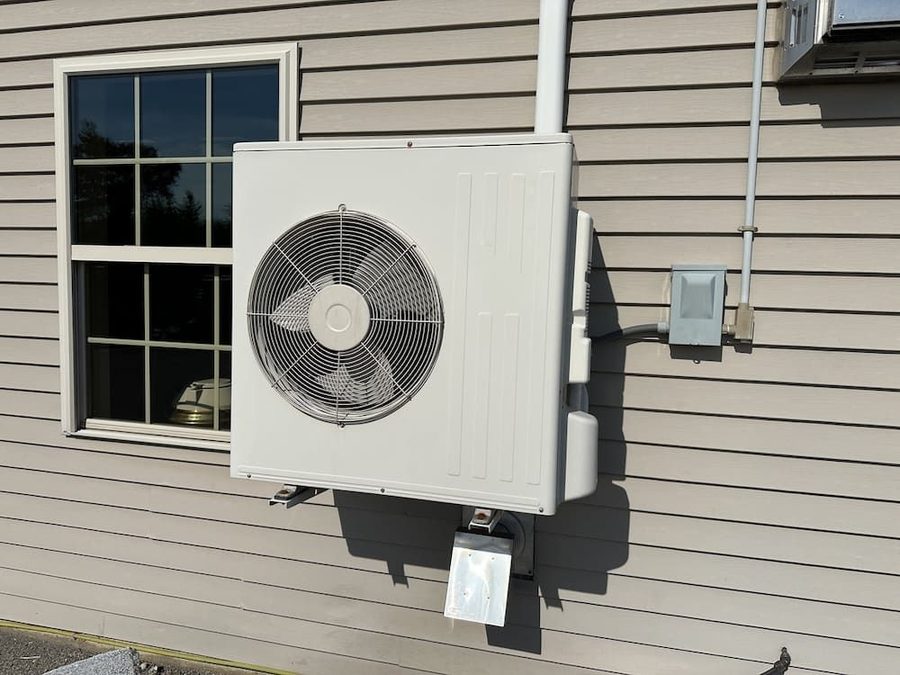
Wisconsin winters bring freezing temperatures, heavy snowfall, and occasional extreme cold. For homeowners who rely on heat pumps, these conditions raise an important question: Can a heat pump keep your home comfortable when temperatures drop below freezing?
Modern heat pumps are designed to provide efficient heating in a variety of conditions, and cold-climate models can operate in temperatures well below freezing. However, their performance changes as outdoor temperatures decrease.
Understanding how cold weather affects heat pump efficiency can help Wisconsin homeowners manage energy costs, recognize potential problems, and maintain dependable heating throughout winter.
How Does Cold Weather Affect Heat Pump Efficiency?
Heat pump efficiency generally decreases as outdoor temperatures drop because the system must extract heat from colder air while maintaining comfortable indoor temperatures.
Although modern cold-climate heat pumps can continue operating below freezing, they typically require more electricity to deliver the same amount of heat as temperatures fall.
Actual performance depends on equipment design, outdoor conditions, home insulation, and system maintenance.
1. How Do Heat Pumps Work in Freezing Temperatures?
Unlike traditional electric resistance heaters, heat pumps don’t primarily generate heat. Instead, they transfer existing thermal energy from one location to another.
During winter, an air-source heat pump absorbs heat from outdoor air and transfers it inside your home.
Even when outdoor temperatures fall below freezing, the air still contains thermal energy.
The system uses refrigerant, a compressor, and other components to collect and move that heat indoors.
Can Heat Pumps Work Below 0°F?
Yes. Some modern cold-climate heat pumps can operate at temperatures below 0°F.
However, heating capacity and efficiency vary significantly between models.
A heat pump designed for milder climates may perform differently from equipment specifically engineered for Wisconsin winters.
Manufacturer performance ratings help determine whether a particular system is suitable for your home’s heating needs.
2. Why Does Heat Pump Efficiency Decrease in Cold Weather?
As outdoor temperatures fall, extracting heat becomes more challenging.
The temperature difference between the outdoor air and your home’s desired indoor temperature increases.
This generally requires the heat pump to work harder.
At the same time, your home loses heat more quickly during extremely cold weather, increasing heating demand.
Understanding Heat Pump COP
Heat pump efficiency is often measured using the coefficient of performance (COP).
COP compares the amount of heating energy delivered with the electrical energy consumed.
For example:
-
A COP of 3 means the system delivers approximately three units of heat for every unit of electricity consumed.
-
A COP of 2 means it delivers approximately two units of heat for every unit of electricity consumed.
-
Electric resistance heating typically operates near a COP of 1.
Heat pump COP generally decreases as temperatures drop, although actual performance depends on equipment and operating conditions.
Even during cold weather, a heat pump may remain more efficient than electric resistance heating.
3. What Happens to Heating Capacity During Wisconsin Cold Snaps?
Efficiency and heating capacity are related, but they’re not the same.
Efficiency describes how much heat a system delivers relative to the electricity it uses.
Heating capacity describes how much total heat the system can provide.
As temperatures fall, many air-source heat pumps experience reductions in both efficiency and available heating capacity.
Meanwhile, your home’s heating requirements increase.
What Is the Heat Pump Balance Point?
The balance point is the outdoor temperature at which the heat pump’s available heating output matches your home’s heating demand.
Below this temperature, supplemental heating may be necessary, depending on the system’s design.
The balance point varies based on:
-
Heat pump model and capacity
-
Home size and insulation
-
Air leakage
-
Local winter temperatures
-
Overall heating system design
Proper equipment sizing helps ensure dependable heating during Wisconsin’s colder months.
4. Do Heat Pumps Need Backup Heat in Wisconsin?
Some Wisconsin heat pump systems include supplemental heating equipment.
However, backup requirements depend on the home’s heating load and the heat pump’s cold-weather capabilities.
Electric Resistance Backup Heat
Some systems use electric resistance heating elements when additional heating capacity is needed.
This equipment can maintain comfort but generally uses more electricity per unit of heat than an efficiently operating heat pump.
Dual-Fuel Heating Systems
Dual-fuel systems combine an electric heat pump with a gas furnace.
The system can switch between heating sources based on outdoor temperatures, equipment settings, and operating conditions.
Cold-Climate Heat Pumps
Certain cold-climate systems can meet substantial heating demands at very low temperatures.
Whether supplemental heat is necessary depends on the specific equipment and home.
Backup heating isn’t automatically a sign of malfunction. It may be part of the system’s intended operation.
5. How Do Snow, Ice, and Defrost Cycles Affect Performance?
During winter, frost can accumulate on a heat pump’s outdoor coil.
To maintain performance, the system periodically enters a defrost cycle.
During this process, homeowners may notice temporary changes in heating operation, unusual sounds, or steam rising from the outdoor unit.
These conditions can be normal.
However, excessive ice buildup or blocked airflow can interfere with heating performance.
Winter Outdoor Unit Maintenance Tips
-
Keep snowdrifts away from the outdoor unit.
-
Maintain manufacturer-recommended airflow clearances.
-
Remove nearby debris and accumulated snow safely.
-
Prevent roof runoff from creating excessive ice around equipment.
-
Never chip ice off coils with sharp tools.
-
Contact a professional if heavy ice buildup persists.
Avoid attempting to disassemble or manually defrost electrical equipment.
6. How Can Wisconsin Homeowners Improve Heat Pump Efficiency?
Although cold weather naturally affects heat pump performance, homeowners can take steps to reduce unnecessary energy consumption.
Replace Dirty Air Filters
Clogged filters restrict airflow and can reduce heating performance.
Check filters regularly and replace or clean them according to manufacturer recommendations.
Keep Indoor Vents Clear
Furniture, rugs, and other objects shouldn’t obstruct supply or return vents.
Use Appropriate Thermostat Settings
Large temperature setbacks may activate supplemental electric resistance heating on some systems.
A relatively consistent thermostat setting may be more efficient, depending on your equipment and controls.
Improve Home Insulation
Air sealing and adequate insulation reduce heat loss, helping your heating system maintain comfortable temperatures.
Schedule Professional Maintenance
Routine heat pump maintenance helps identify airflow problems, electrical issues, and other conditions that may affect efficiency.
7. Are Cold-Climate Heat Pumps Worth It in Wisconsin?
Modern cold-climate heat pumps can be a practical heating and cooling solution for Wisconsin homes.
They provide year-round temperature control and may offer efficiency advantages compared with certain conventional heating systems.
However, operating costs depend on several factors.
These include electricity prices, alternative fuel costs, equipment efficiency, home insulation, and the need for supplemental heating.
What Should You Look for in a Cold-Climate Heat Pump?
Before choosing equipment, consider:
-
Heating capacity at low outdoor temperatures
-
Manufacturer-rated cold-weather efficiency
-
Proper sizing for your home’s heating load
-
Supplemental heating requirements
-
Professional installation and system setup
An HVAC professional can evaluate your home’s needs and recommend suitable equipment.
8. When Should You Schedule Heat Pump Maintenance or Repair?
Some changes in heating performance are expected during extreme cold.
However, persistent problems may indicate that your heat pump needs professional attention.
Watch for:
-
Unusually high electricity bills
-
Difficulty maintaining thermostat settings
-
Weak airflow
-
Unusual grinding or rattling noises
-
Excessive outdoor ice buildup
-
Frequent system shutdowns
-
Unexpected or prolonged backup heating operation
A professional inspection can help distinguish normal cold-weather operation from equipment problems.
Wisconsin Winter Heat Pump Efficiency Checklist
Use this checklist to support reliable heating throughout winter:
-
Replace or clean air filters as needed.
-
Keep indoor supply and return vents unobstructed.
-
Maintain clear space around outdoor equipment.
-
Remove nearby snow accumulation safely.
-
Review thermostat settings.
-
Monitor supplemental heating operation.
-
Watch for excessive ice buildup.
-
Improve insulation and air sealing where necessary.
-
Schedule professional heat pump maintenance.
Keep Your Wisconsin Home Comfortable With Southport
Wisconsin’s freezing temperatures can affect heat pump efficiency and heating capacity, but modern cold-climate systems are designed to provide dependable performance in challenging conditions.
Proper equipment selection, professional installation, and regular maintenance all play important roles in maintaining winter comfort.
Whether you’re considering a new heat pump, experiencing reduced heating performance, or preparing your existing system for colder weather, professional guidance can help.
Southport provides heating and cooling services for Wisconsin homeowners, including heat pump installation, maintenance, and repair.
Contact Southport today to schedule a heat pump evaluation or maintenance appointment and prepare your home for Wisconsin’s winter temperatures.