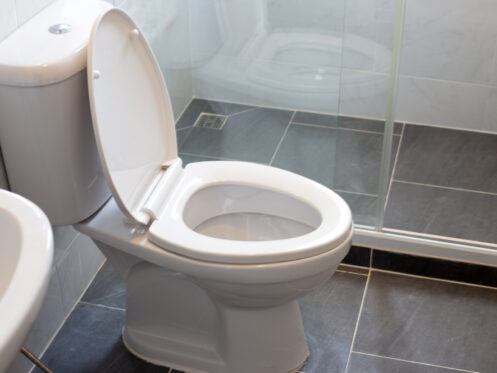
Back-to-school time means more showers, loads of laundry, extensive general cleaning, and a noticeable uptick in daily water usage. If your plumbing system isn’t prepared to handle the increased demand, it could strain under pressure, leading to costly breakdowns or inconvenient disruptions. Here’s how to get your plumbing ready for a seamless transition into the school year.
Prepare for Increased Water Usage
The morning rush and active evenings can put excessive strain on your plumbing system. By anticipating increased water demand, you can take proactive steps to prevent disruptions and maintain water efficiency throughout the season. Consider the following potential disruptions.
1. Address Low Water Pressure
If your sinks or showers seem sluggish, you likely have a low water pressure problem. Common causes include debris buildup in pipes, corrosion, clogged aerators, faulty water meter valves, broken pressure regulators, and hidden leaks. Debris buildup and corrosion can be further evidenced by rusty or brownish water. A broken pressure regulator will also produce weird sounds, like whistling, hissing, or banging. Hidden leaks can reveal themselves through foul odors, unexpected wet spots on walls near plumbing lines, or bubbling paint and discolored patches.
To address the low water pressure problem, begin by identifying the root cause. Use the signs mentioned above to narrow down potential culprits, and conduct a visual inspection where possible. Clean or replace clogged aerators, check exposed piping for leaks and corrosion, and listen for irregular sounds. Then, call a licensed plumber to perform a full system evaluation and repairs.
2. Manage Hot Water Demand
To avoid running out of hot water during peak morning and evening routines, consider upgrading your water heating setup. Traditional tank systems may struggle to keep up with increased usage, especially in larger households. Installing tankless water heaters in high-use bathrooms provides instant hot water on demand, eliminating wait times and improving energy efficiency.
If you have a tank-style water heater that’s still operating efficiently, consider setting the temperature to 120°F. This range offers a safe and comfortable balance between performance and energy savings. Additionally, since tank water heaters supply hot water to the entire home, avoid running high-demand appliances like dishwashers or washing machines during peak morning or evening hours to prevent running out of hot water.
Regular maintenance is also essential. Tank water heaters should be flushed periodically to remove sediment buildup, which can reduce heating efficiency and the amount of hot water in the tank. Tankless water heaters, on the other hand, require descaling to prevent mineral buildup on the heat exchanger.
3. Prevent Clogged Toilets
A clogged toilet is the last thing you want to deal with during the hectic school season. Not only is it inconvenient, but it can also lead to messy, unsanitary conditions and potential health hazards. It’ll disrupt your schedule and potentially cause delays both for the kids and adults going to work. You should try as much as possible to prevent your toilet from clogging.
To do this, start by educating your household members on proper toilet etiquette. The only things that should go down the drain are human waste and toilet paper. Never flush wipes, dental floss, feminine hygiene products, hair, paper towels, or cotton balls, even if they are labeled as flushable. You can’t afford to risk it.
Second, teach your household members to double flush if necessary. Clogs can occur when waste isn’t fully cleared in a single flush, especially in older toilets or systems with low-flow fixtures.
Third, keep the toilet lid closed at all times. This prevents items like toys and toiletries from accidentally falling into the bowl and lodging in the pipes.
Last but not least, address slow drains and weak flushes promptly. Call a plumber for a thorough inspection before the issue worsens or leads to a full blockage.
4. Install Water-Saving Fixtures
You can reduce water wastage during the school season by investing in water-saving fixtures. There are many modern faucets, showerheads, and toilets equipped with built-in aerators, which mix air into the water stream to maintain pressure while using significantly less water. Others have flow restrictors that limit the volume of water passing through the fixture without compromising performance.
Moreover, consider upgrading to dual-flush toilets that allow users to choose a lighter flush for liquid waste. You can also find sensor-activated toilets and faucets that offer hands-free convenience while preventing accidental water waste, perfect for busy and chaotic mornings and evenings.
Most of these products have an EPA WaterSense label, signifying compliance with strict water efficiency and performance standards. They also tend to last longer.
Prioritize Plumbing Maintenance
Maintenance prepares your plumbing system for increased demand and helps prevent costly issues that could derail your daily routine. Dedicate a day to call a licensed plumber to address these potential issues.
Check for Leaks
Leaks are a huge problem. They affect almost everything when they go unnoticed. For instance, hidden leaks cause low water pressure, encourage rusting on pipes and plumbing appliances, create areas of water contamination, and contribute to mold growth and proliferation in your home. Uncontained water can also cause structural damage to your property and pose electrical and fire hazards.
During maintenance, your plumber will use specialized tools, such as acoustic listening devices, thermal imaging cameras, and moisture sensors, to detect hidden leaks behind walls, under floors, and other hard-to-reach areas. Once found, they’ll recommend simple fixes or long-term solutions, depending on the extent of damage. For example, if the gaps are significant, they can advise you to replace the pipes entirely or reroute affected lines to prevent recurring problems.
Clear Drains
Your drainage system is the only part of your plumbing that relies solely on gravity to move wastewater efficiently. Because of this, it depends on unobstructed pathways to function properly. Any blockage, whether from hair, soap residue, food particles, or foreign objects, can easily disrupt that flow and lead to slow drains, foul odors, or backups.
This vulnerability demands proper care and regular inspections. A plumber will make sure that the entire drainage system is flowing freely and not at risk of clogs or backups.
Inspect the Garbage Disposal
The garbage disposal often sees an increased use during school season, thanks to quick breakfasts, meal prep, and after-school snacks. Over time, the grinding ring, impellers, and motor can wear down or become coated with food residue, reducing performance and leading to unpleasant odors. An experienced plumber should lubricate moving parts, inspect the motor for signs of strain, clean buildup from the grinding components, and replace ineffective components to restore full garburator functionality.
Upgrade Your Plumbing System
If your plumbing is older than 20 years, experiences frequent breakdowns, and struggles to meet your household’s daily demands, consider a full replacement. A new system will improve water flow, enhance energy efficiency, reduce water wastage, and significantly minimize the risk of disruptions during high-use periods. Even better, modern plumbing materials like PEX and copper offer greater durability and longevity. It’s a very worthy investment, but make sure to consult with a qualified plumber first to get the ideal plumbing system for your home.
Contact Southport Home Services for More information
For optimal plumbing performance and efficiency throughout the school year, call our experts at Southport Home Services to inspect, service, repair, or upgrade your system. We are renowned for quick response time, honest prices, and exceptional workmanship. Call Southport Home Services for plumbing system maintenance in Madison and the surrounding areas.