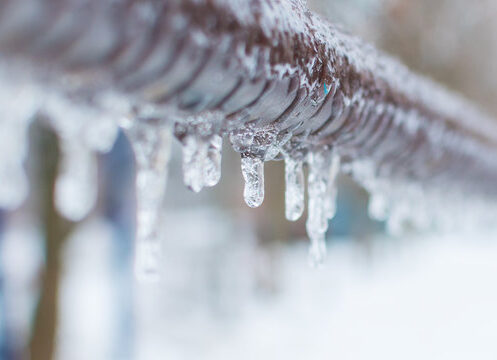
Winter in Madison, WI can be long and brutal. Bitterly cold temperatures, strong winds, and piles of snow impact our safety, well-being, and even our plumbing system. Prevent frozen pipes this winter using thermostat adjustments, drip tips, and more. Allow our team at Southport Home Services to inspect and maintain your plumbing system during the winter and beyond.
The Dangers of Frozen Pipes
The Madison area can experience temperatures in the single digits or even below zero degrees Fahrenheit. These cold conditions can result in poorly insulated pipes freezing. When water freezes, it expands. This can put a great deal of pressure on the interior of your pipes. Your pipes may crack, leak, or even burst.
The pipes that are most vulnerable to freezing are usually those that are along exterior walls. Also, lack of insulation will allow cold temperatures to reach your pipes easily. Pay close attention to pipes in your basement, attic, crawl space, and garage. Don’t forget about your outdoor fixtures, including sprinkler systems and pool components.
It doesn’t take much water to cause extensive damage in your home. A small leak can quickly lead to structural issues or even mold growth. A burst pipe can dump tens of gallons of water into an area within minutes.
Using Your Thermostat for Prevention
You can use your thermostat to ensure comfort and healthy indoor air quality. However, you can also use this device to prevent your pipes from freezing. Maintain a baseline temperature in your house that prevents cold temperatures around your plumbing system. Ideally, an interior of 55 degrees Fahrenheit is adequate. Even if you’re going to be away from home on vacation or at work, don’t allow your house to get too cold.
If you don’t already have one, consider upgrading to a smart thermostat. Geofencing technology can determine when you leave home. Your thermostat can adjust to minimize unnecessary use of your HVAC system. However, you’ll still be able to maintain a temperature that prevents frozen pipes. Remote monitoring keeps you informed of your interior temperature. If it starts to drop because of equipment malfunction or incorrect settings, you can react immediately. Set up alerts so that you’re notified if your interior temperature approaches a range that can result in frozen pipes.
Simple Drip Tips
Allow a steady trickle of water to escape your fixtures and faucets. This little bit of water can prevent freezing, as standing water is more likely to freeze. Use this practice in faucets that are farthest from where water is entering your house. This keeps water circulating through as many areas of your plumbing system as possible. While this can increase your water bills slightly, the cost of water damage after a pipe burst is far greater.
Increasing Insulation Levels
The amount of insulation in your home can impact how protected your plumbing system is. R-value refers to insulation’s ability to resist heat flow. Recommended R-values vary across the country. If your house doesn’t meet adequate R-value levels, consider upgrading. You may be able to utilize rebates and incentives to offset the cost of this project. You’ll also experience long-term savings from a tighter home envelope. A plumbing professional can help you determine which insulation materials you can layer to achieve optimal protection from the elements.
You can also insulate around your pipes and water heater. Products like foam sleeves and spray foam insulation help retain heat inside of your pipes and tank to prevent freezing. Professionals can install heat tape to increase the temperature around and inside your pipes.
Sealing Up Your Home
In addition to increasing insulation in your house, seal up cracks and gaps. This includes areas around windows and doors and around pipes. Use products like expanding spray foam, caulk, and weatherstripping.
Opening Up Cabinets
During cold snaps, open cabinet doors if pipes are inside. Warm air will circulate around your pipes, preventing water from freezing. You can use space heaters in the vicinity to keep temperatures up. Just make sure you’re monitoring your space heaters when they’re in use.
Consider Investing in a Generator
If there’s a power outage in your area, temperatures inside of your home can quickly plummet. Consider investing in a whole-home backup generator. When the power goes out, your generator will turn on and power your HVAC system and other devices and appliances. You’ll be able to maintain a comfortable and safe interior temperature that protects your plumbing system. Also, your generator will help power your sump pump, which is another important aspect of your plumbing system.
Winterizing Outdoor Fixtures
Before winter arrives, take some time to winterize your outdoor faucets and fixtures. Drain all the water out of your fixtures and turn off the water to these areas. You can wrap your fixtures in insulating covers as well. Consider upgrading to freeze-proof fixtures for further protection. If you have a sprinkler system or swimming pool, have a professional drain and winterize important system components. Also, drain your hoses, allow them to dry completely, and then store them inside for the winter.
Be Ready for an Emergency
If all of your efforts fail and you still experience a plumbing emergency this winter, be prepared to act quickly. Everyone in your household should know where your main water supply valve is located. If there’s a leak or a burst pipe, immediately turn off the water to minimize damage.
Have our contact information on hand. If there’s an urgent issue that needs professional attention, call us right away. We can have someone come to your home quickly and provide you with guidance about what to do in the meantime. Always keep towels, buckets, and basic tools on hand.
Scheduling Appointments With a Professional
We recommend that you schedule a routine appointment with our team at least once per year. Ideally, make an appointment during late summer or fall. This gives us plenty of time to repair problems or make upgrades that will prevent your pipes from freezing once temperatures start to drop.
As part of routine maintenance, we can inspect your pipes for signs of damage or corrosion. We’ll look for condensation or water pooling, which can indicate weak areas of your plumbing system that could freeze. Preventive drain cleaning can remove debris that has the potential to strain your pipes. We’ll also test valves, check water pressure, perform water heater maintenance, and much more.
Southport Home Services is the team to call if you’re in need of winter plumbing support in your Madison home. We’d be happy to provide urgent repairs as well as routine maintenance and upgrades that can help you avoid frozen pipes. Contact us at Southport Home Services today to find out more or to schedule an appointment.