Updated September, 2025
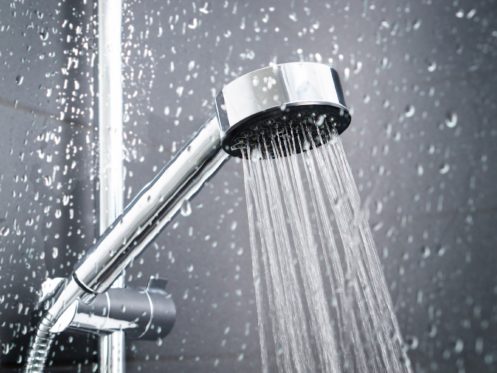
It’s early morning and you’re looking forward to a refreshing shower to start your day. You step in and turn on the water, but instead of the powerful jets of water you’re used to, you get nothing but a trickle. Something’s wrong with your water pressure, but what?
Low water pressure can affect every water outlet in your home. From showers and faucets to your appliances and sprinklers, water pressure problems can reduce the power and amount of water you get from these outlets. Fortunately, all water pressure problems can be resolved fairly easily. In this article, we’ll take a look at the common causes of low water pressure and how they can be resolved.
Signs You Have Low Water Pressure
Water pressure issues can make themselves known in a number of ways. Your showerhead may produce a weak spray, your faucets may take a long time to fill your bath or sinks, or your washing machine may take longer to complete a cycle.
Sometimes, only one fixture may be experiencing low water pressure. In these cases, the problem can usually be fixed by replacing or repairing the fixture. But in most cases, low water pressure affects the whole home and this is when a little experience and knowledge of these problems goes a long way. Let’s take a closer look and show you how our experienced plumbers narrow the search.
Check With the Neighbors
If you are experiencing low water pressure problems, it could be that your neighbors are too! Water distribution issues from your local provider are often the reason for the problem and this could be affecting the whole street. Check with your neighbors to see if they are experiencing the same problem. If they are, reach out to the water provider in the first instance as they are responsible for localized issues with the municipal supply.
Common Low Water Pressure Causes in the Home
If low water pressure is causing you problems, you don’t need to put up with weak and puny showers or appliances that take forever to finish. Here are some of the most common causes of low water pressure:
Is the Primary Shutoff Valve Partially Closed?
If your neighbors aren’t experiencing problems with their water pressure, the problem could be with your primary shutoff valve. This valve is located where your plumbing system joins with the municipal water supply line and it needs to be open fully in order to supply proper water pressure to your home. A plumber will be able to locate your primary valve if you’re not sure and ensure that it is fully open.
Pipe Blockages
One of the most common reasons that water pressure suddenly drops is a blockage in your pipes. Clogged pipes can occur anywhere in your plumbing system or further down in your sewer line. When the flow of water is obstructed, this can result in the water pressure being low throughout your home. The good news is that an experienced plumber can locate the source and location of the blockage and get it cleared as quickly as possible. Other signs that you have a pipe blockage include foul odors around your home and sinks and showers taking a long time to drain away.
Pressure Regulator Problems
If your plumbing is fitted with a pressure regulator, this could be the culprit when it comes to low water pressure. These systems help to adjust the flow of water entering your home to help maintain your pipelines. If there is a fault with your system, this could result in the water pressure being lower than normal. A qualified plumber will be able to carry out a series of checks and tests on your regulator and find a solution.
The Water Meter Valve is Partially Closed
Low water pressure could also be caused by a fault with your water meter valve. If you’ve recently had renovations or a remodel in your home, the water valve may have been shut off at some point. If it wasn’t opened back up fully again, the water pressure may be low. Again, a plumber will be able to check your valve for you to make sure it is fully open and operating as it should be.
Mineral Deposits in Pipes
Another common cause of low water pressure is the integrity of your pipes and plumbing. If the water coming into your home has a high mineral content or there are cracks in your pipes that allow minerals like sand to leach into your system, this can cause low water pressure. Sediment blockages are very common and can impede the flow of water into your home and through your plumbing system. This is usually when you’ll need a professional drain cleaning company to blast away these blockages for you. If your sewer line or pipes are cracked or in bad shape, you may need to have these lines repaired or replaced. Fortunately, we can help you with these services, so call us at the first sign of trouble. We offer CCTV inspection that will help us to track down the source of the problem and solve it fast.
Leaking Pipes
Leaks in your pipes can also cause problems with water pressure. If water is running through your pipes but leaking out at some point along the line, you’ll notice a drop in pressure. Even the smallest of cracks can allow water to leak out and you’ll need a repair carried out as quickly as possible. Not only will a repair solve your water pressure problem but could also reduce your utility bills. Calling a plumber from our team is the best way to diagnose and remedy pipe faults and leaks. We’ll use our CCTV cameras to locate the source of the leak and then get to work on finding a permanent repair. We offer a number of solutions when it comes to pipe repair and replacement and can give you advice on the best one to choose.
General Wear and Tear of Pipework
While plumbing systems and pipework are designed to last for years, problems can start to occur over time. Even galvanised steel pipes can start to degrade over time as the water running through the inside of your pipes wears them down. As pipes are worn down, their interior lining becomes textured and this can cause low water pressure to occur. In these cases, we recommend that pipes are lined from the inside to rejuvenate them and allow the free flow of water once more.
Troubleshooting Low Water Pressure in Your Home
Few things are as frustrating as weak water pressure when you’re trying to shower or fill a pot. Low water pressure can stem from a variety of causes – some easy fixes, others requiring professional help. Here’s a rundown of steps to diagnose and potentially resolve the issue:
- Isolate the Problem: First, determine if the low pressure is occurring at all fixtures or just certain ones. If it’s only one faucet or showerhead that’s weak, the issue is likely localized (e.g., a clogged aerator or showerhead). In that case, remove the aerator from the faucet and clean out any sediment. For showerheads, soak it in vinegar to dissolve mineral deposits. Restoring clear flow at that fixture may solve your problem immediately.
- Check Your Main Valve: If pressure is low throughout the house, ensure that your home’s main water shut-off valve is fully open. It’s not uncommon for a valve to be only partially reopened after a plumbing repair. Locate the valve (usually where the water line enters, near the water meter or pressure regulator) and turn it fully counter-clockwise. Similarly, if you have a pressure reducing valve (PRV) on your system, a malfunction or mis-adjustment there can cause low pressure. PRVs can be adjusted with a screw mechanism – but only do so carefully or consult a plumber for assistance.
- Look for Leaks: A hidden leak in your supply line can reduce pressure to the fixtures. Check your basement or crawlspace for any signs of dripping or water damage. Also, walk your property to see if any wet spots are visible in the yard (which could indicate a leak in the main line between the meter and your house). If you find evidence of a leak, call a professional immediately – not only to restore pressure, but to prevent property damage and water waste.
- Consider Old Pipes: In older homes with galvanized steel pipes, internal corrosion can significantly restrict water flow over decades. This often shows up as gradually worsening pressure and usually affects all fixtures. The only true solution for corroded galvanized piping is to repipe the home (for example, with copper or PEX). It’s a big project, but it will permanently resolve the low pressure issue and improve water quality. We can assess your pipe condition and provide options if this appears to be the case.
- Municipal Supply Issues: Occasionally, the problem isn’t inside at all. There could be work being done on the city water mains or a partial closure in your neighborhood’s supply. If neighbors are experiencing the same sudden pressure drop, contact your water utility. They can inform you of any known issues or send someone to check your meter and supply pressure. Installing a home pressure booster pump is a solution in areas that always have low municipal pressure, but that’s a last resort if the city can’t maintain standard pressure.
Once you’ve gone through these steps, you should have a better idea of the culprit behind low pressure. Simple fixes like cleaning aerators or opening valves can often do the trick. For more complex causes – like leaks or aging pipes – the Southport plumbing team is ready to help diagnose and restore the flow. We’ll get your showers blasting and your faucets running strong again in no time.
Call Your Local Plumbing Team For Expert Assistance
There are many plumbing problems that can cause low water pressure. Once you’ve checked with your neighbors and discovered they don’t have a problem, it’s time to call the professionals. Very often, pressure problems are caused by a fault inside the home and can be rectified easily and quickly.
If you’ve just turned on your faucet to discover a trickle instead of a steady flow of water, it’s time to call our team. Here at Southport Home Services, we can help with all aspects of plumbing problems from low water pressure and faulty showers to pipe leaks and blockages. We’ll get to you as quickly as we can to solve your problem and get your water flowing at the right pressure once more.
Our qualified plumbers will work with total respect for your home and ensure you are completely satisfied with the work we carry out. Call today to arrange an appointment.